Pillow cases are essential for maintaining pillow hygiene, protecting fibers, and enhancing sleep quality. They come in a variety of fabrics, thread counts, and closures that influence comfort, breathability, and longevity. Understanding material properties helps buyers choose cases that suit different climates, skin sensitivities, and decorative needs in the home decor context.
In the realm of fabrics, cotton, sateen, and blends offer distinct textures and durability. Organic sateen, for example, provides a smooth surface with a gentle sheen and softer handfeel, reducing friction on hair and skin. This balance of comfort and practicality makes pillow cases a functional element in clothing and accessories, loungewear, and home textiles.
Key features to assess include closure type (zipper, envelope, or Nanometer seam), weave density, and finish. Higher thread counts typically yield a softer, more luxurious surface, while breathable weaves support thermal regulation. Evaluating these details helps align pillow case choices with sleeping habits, allergen concerns, and overall interior styling goals.
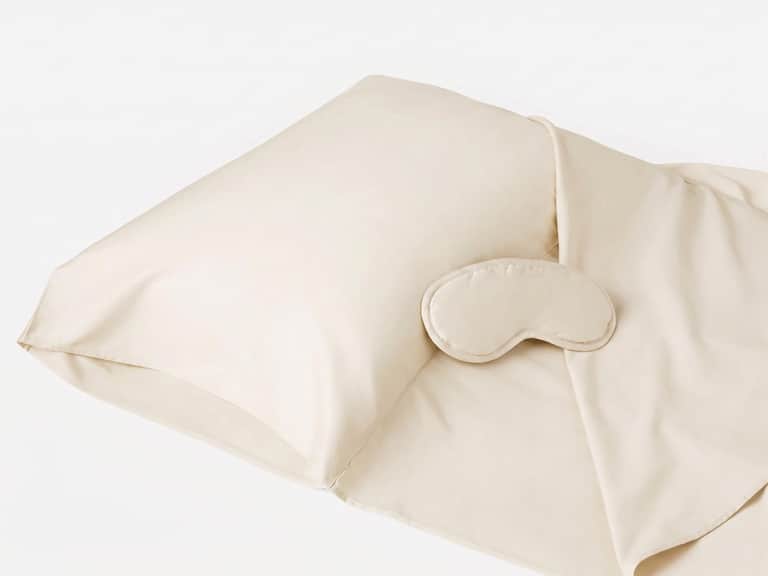
The Cloud Soft Organic Sateen Travel Sack illustrates how a pillow case can merge comfort with portability. Its organic material reduces pesticide exposure, while a smooth surface minimizes friction on sensitive skin and hair. Functional benefits include easy care, wrinkle resistance, and compatibility with a range of pillow sizes and travel scenarios.
When considering suitability, correlate pillow case materials with room aesthetics and practical use. For home decor, coordinating colors and finishes can harmonize with bedding and textiles in living spaces. In travel or on-the-go contexts, compact, durable designs support tidy packing and quick maintenance, aligning with broader categories like bags, accessories, and loungewear.
 Bedding