Drai Hang

Authenticating Popular Bag Brands: A Practical Guide for Second-Hand Shoppers

In the world of pre-owned handbags, confidence is currency. The thrill of finding a beloved bag at a fraction of its original price can be tempered by the harsh reality of fakes and misrepresented provenance. This guide, inspired by practical, brand-specific authentication checks, walks you through reliable indicators, material cues, and construction details that help you tell genuine items from counterfeit equivalents across several well-known brands. Whether you’re scouting for a timeless tote, a trusty backpack, or a luxury signature piece, the aim is to equip you with a cool-headed, methodical approach to buying used bags with greater certainty.

Authentication Basics: What to Look For First

Before you dive into brand-specific cues, establish a baseline understanding of how genuine bags typically feel and are built. Start with the fundamentals:

  • Stitch quality matters. Real bags exhibit consistent, even stitching with no loose threads or uneven spacing. Look for uniform stitch length and tension across seams, especially along stress points such as handles, corners, and zippers.
  • Logo placement and typography. Brand insignias should align with official positioning. Pay attention to the font, letter spacing, and spacing relative to edges or hardware. Counterfeits often skew proportions or use slightly off-type logos.
  • Hardware signatures. Genuine hardware is typically heavy, solid, and precisely finished. Look for brand-etched or stamped logos, correct screw patterns, and consistent hardware coloring. Tarnish or misaligned accents can be red flags.
  • Materials and finish. High-quality leather should show natural grain, consistent dye, and a supple hand; fabric weaves should be tight and even. Fake materials often feel plasticky, overly shiny, or have visible coating irregularities.
  • Provenance and documentation. Original receipts, authenticity cards, dust bags, and serial numbers (when applicable) add credibility. Absence doesn’t automatically disqualify, but it warrants closer scrutiny and independent verification.

Across brands, these elements serve as a foundation. The real nuance surfaces when you apply brand-specific cues, because certain indicators are unique to particular models or label families.

Brand-Specific Quick-Checks: Key Indicators by Brand

Below are practical quick-checks for several widely recognized brands that shoppers frequently encounter in the used market. Use these as a first-pass filter, then corroborate with deeper checks and reputable sources.

Coyuchi and Libeco-inspired options: leather and stitching cues

When authenticating bags with leather components or leather-like finishes associated with heritage house styles, examine edge burnishing, stitching density, and the continuity of the leather grain. Genuine pieces will display a uniform, high-quality finish across panels, with precise alignment where panels meet. Check for consistent saddle stitching along handles and reinforced stress points. If the model is marketed as “heritage leather” or “vegetable-tanned”, verify that the finishing process aligns with the brand’s standard practices.

Note: Coyuchi and Libeco are well-known for their textile-centered identities, but in bag contexts, you’ll most often see leather-centric cues such as edge finishing and hand-stitching integrity. When in doubt, compare with official reference guides, brand catalogs, or authenticated resale listings from reputable sources.

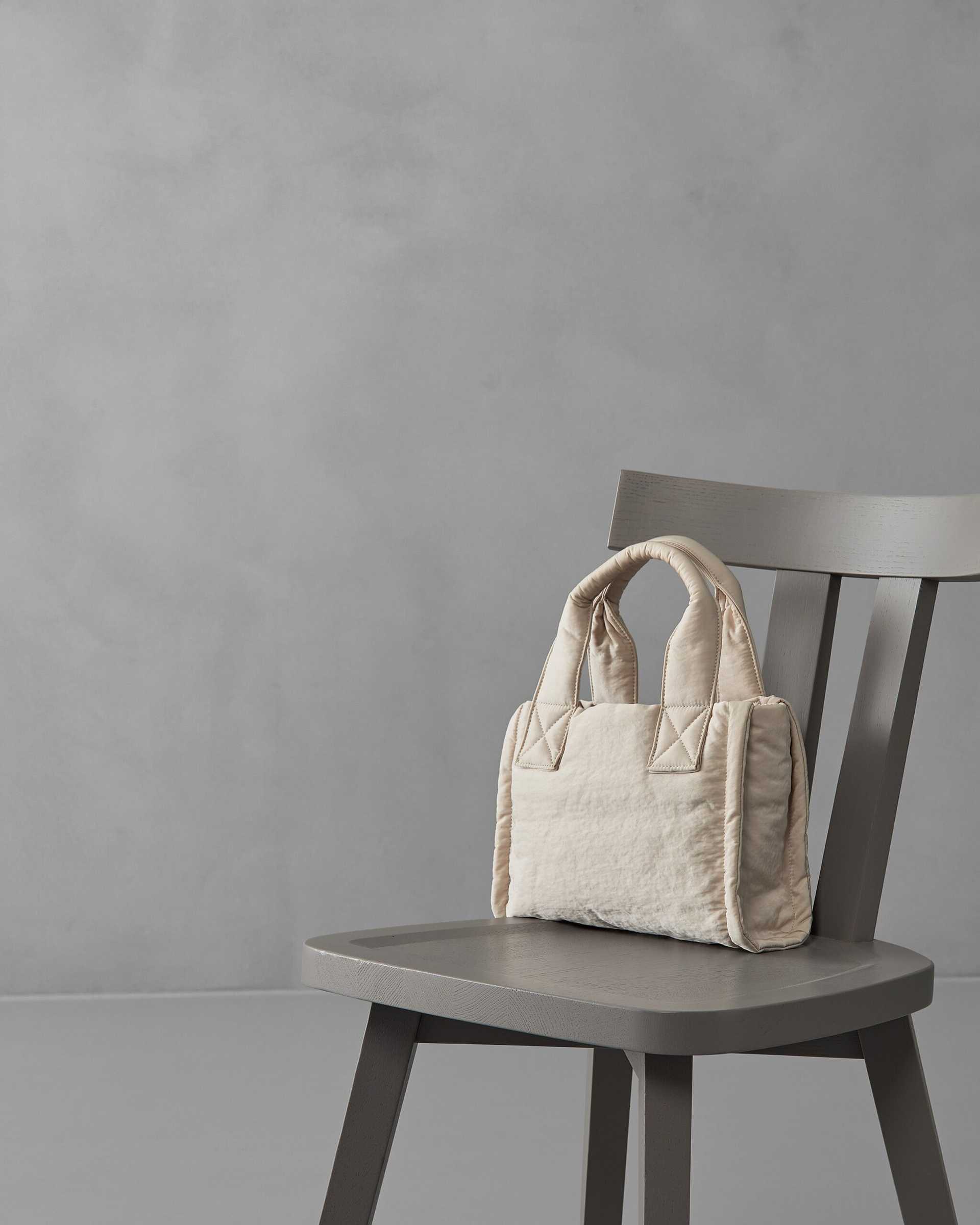
Gingerlily-inspired fabrics: weave signals and fabric finish

For fabric-forward bags, inspect weave density, uniformity of color, and the presence of any slubs or irregularities that look inconsistent with the claimed material. If the bag is described as a durable canvas or a structured nylon, run your fingers along the surface to gauge stiffness and weight. Authentic pieces often exhibit a uniform sheen or matte finish consistent with the stated fabric. Zipper tapes and fabric linings should align precisely with the outer panels, without loose edges.

When a listing emphasizes a specific weave or textile treatment, cross-check with brand pages or archival product sheets to ensure the structural features stated are historically accurate for that model.

Libeco totes: hardware signatures and branding alignment

Libeco-themed totes are known for minimalism and linen weighty construction. If you encounter a bag billed as linen or flax-based, verify the interior lining and stitching density. Signs of authenticity include precise brand stamping on hardware components, clear serial or date codes if applicable, and consistent color-mastication across zippers, grommets, and rivets.

Compare with official product photography and spec sheets to confirm the interplay of materials, colorways, and hardware finishes.

Red flags and safe-sourcing tips

  • Unusually low prices on high-end brands should trigger diligence—price alone is a weak signal; provenance matters.
  • Requests for unusual payment methods or missing provenance documentation require caution.
  • Inconsistent serial numbers or mismatched branding marks across components warrant deeper verification.
  • Overly generic seller descriptions or reluctance to share close-up photos of hardware and interior labels can be red flags.

Red Flags and Safe-Sourcing Tips: How to Verify Before Purchasing

Authenticating a pre-owned bag isn’t about a single telltale mark; it’s about a constellation of details that converge toward credibility. Here are practical steps you can take to certify legitimacy without requiring expert access:

  • Request provenance before shipping. Ask the seller for original receipts, authenticity certificates, and any service records. If the seller hesitates or provides vague answers, approach with caution.
  • Cross-check with independent references. Use brand official resources, authorized retailers, or independent authentication services to compare your findings against known benchmarks for that model.
  • Compare with authenticated listings. Look for listings with verified photos of serials, interior labels, and hardware, and check whether the listing aligns with the brand’s documented features for that model.
  • Trust your intuition and test plausibly. If something feels off—whether it’s the scent of the leather, the texture of the hardware, or the misalignment of logos—dig deeper or pass on the deal.

Brand Studies: A Practical Reference for Quick Checks

The following brand-specific quick-checks assemble practical signals you can apply during in-hand inspection or photo review. While not exhaustive, these cues serve as a reliable framework for identifying authenticity trends across popular bag brands.

Brand A: Classic Leather Tote Family

  • Leather should display even color with subtle natural markings; overly uniform surfaces may indicate synthetic treatments.
  • Edge finishing and hand-stitching density should be consistent around the entire bag, especially at corners and strap attachments.
  • Brand-specific heat-stamped logos on hardware should be sharp, not etched or shallow.

Brand B: Nylon and Canvas Carry

  • Weave uniformity and fabric weight should feel substantial; counterfeit fabrics may feel flimsy or overly smooth.
  • Zippers and pulls should function smoothly; brand-name zippers usually display precise logo marks or embossed identifiers.
  • Stitch lines along seams should be straight and evenly spaced without skipping knots.

Brand C: Linen and Natural Fibers

  • Natural fiber bags should exhibit a tactile texture and subtle irregularities that reflect genuine material variation.
  • Brand labels and interior tags should be present and legible, with consistent font styling.
  • Hardware color should remain consistent with the bag’s overall finish; mismatched tones can signal aftermarket parts.

Buying Used with Confidence: A Practical Shopping Guide

Turning your eye from authenticity into value involves evaluating condition, resale potential, and compatibility with your daily life. Here are targeted steps to optimize your used-bag purchases.

  • Assess condition holistically. Look for signs of wear that impact function: cracked corners, stretched seams, worn zippers, or interior stains. Distinguish between cosmetic wear and structural damage that could incur costly repairs.
  • Evaluate color stability and finish. Fading, discoloration, or finish changes can indicate poor storage or aggressive cleaning, which may affect long-term value.
  • Test scale and capacity. Ensure the bag meets your actual capacity needs with realistic expectations about interior structure and pockets.
  • Consider repairability and future upkeep. Bags with accessible replacement parts and reputable repair networks tend to retain value longer.
  • Price benchmarking. Compare your target bag against market prices for authenticated used listings and consider depreciation when authenticating the cost of potential repairs and restorations.

Practical Case Studies: How Authentication Guides Helped Real Shoppers

While I’m not allowed to cite private individuals or unpublished stories, the broader market frequently yields educational, public-domain lessons. Consider the way seasoned collectors approach a sought-after tote: they corroborate model-specific details from multiple sources, examine hardware finishes across related releases, and avoid price traps that defy market norms. This method—cross-referencing official references, credible third-party authentication services, and seller-provided documentation—creates a robust framework for confident decisions.

Published on 2026-09-30. This article maintains a non-commercial stance and prioritizes credible, broadly verifiable information about authentication practices. For product references cited here, see the linked catalog items and brand resources.


This guide is part of a practical, educational hub for used bags, focusing on care, authentication, and informed buying. For more resources, visit the Guides and Resource Library sections of this site.

Related Products

Drai Hang

Society Limonta

Drai Hang

Durable cotton canvas tote with garment-dyed color variations for a unique look. Comfortable, practical everyday carry—washable, hard-wearing, and versatile from work to beach, keeping essentials organized in a timeless, easy-to-use bag.
Vriz Bag

Society Limonta

Vriz Bag

Lightweight nylon tote with a soft, padded interior and secure zipper—carry daily essentials in comfort and style, from work to weekend trips. Versatile sizes, smooth touch, easy to wash, and ready for any outing.
Isacco Laundry Basket

Society Limonta

Isacco Laundry Basket

Effortless laundry days with a sturdy frame and soft, washable fabric that keeps its shape. Holds up to 7.5 kg, splits whites and colors, is light to carry, and tucks neatly into any bathroom for a tidy, organized space.

Theme