Everyday Carry • Material Guide
Linen vs. Cotton Canvas: Choosing an Everyday Carryall
The right carryall can make a busy day feel a little more organized. Linen brings a relaxed texture and an easygoing, lightweight feel; cotton canvas is known for sturdy construction and practical care. Here’s how to weigh the differences—and find the material that works for your errands, commute, or next weekend away.
Published October 23, 2026
A dependable everyday bag has a way of becoming part of the routine. It holds the things you reach for on the way out the door, shifts from grocery run to afternoon plans, and gets tucked under a desk or onto a passenger seat without much ceremony. Choosing one can seem simple until you start comparing materials. Linen and cotton canvas may both be plant-based textiles, but they bring different personalities, care needs, and strengths to a carryall.
The choice is not quite a contest between “delicate” and “indestructible.” Fabric quality, weight, weave, stitching, handles, lining, and closure all matter. A well-constructed linen bag can serve beautifully for regular use, while a canvas tote that is overloaded or poorly finished may wear out sooner than expected. The smart question is not simply which fiber is tougher; it is which bag is built for what you actually carry.
If you want a soft, natural-looking bag for lighter essentials, linen may feel right. If your days involve heavier loads, frequent handling, or the occasional spill, cotton canvas may be the more practical companion. A closer look at each detail can turn that first impression into a confident decision.
Start with the feel: relaxed linen or structured canvas?
Linen is made from flax fibers, and its surface often has a subtly irregular texture that gives the fabric an easy, lived-in character. Depending on the weave and finish, a linen carryall may feel airy and fluid or more substantial and structured. It tends to drape in a way that looks casual rather than rigid, which can make it an appealing choice for low-key everyday styling.
Cotton canvas is a woven cotton fabric, usually with a plain, sturdy construction. The term “canvas” does not describe one universal thickness: some versions are light and flexible, while heavier canvas can feel firm and hold its shape. That range is one reason a cotton canvas tote can suit so many routines, from a simple packable shopper to a robust bag for regular commuting.
Texture is personal, but it also affects how a bag behaves. A softer linen bag may sit comfortably against the body and fold away more easily when empty. A heavier canvas carryall may stand up better on a flat surface and keep its outline when filled. If you like a bag that feels relaxed and unstructured, linen may appeal. If you prefer a more substantial hand-feel, canvas is worth considering.
Weight is more than a number
The fabric’s weight can offer a useful clue, but it should not be the only one. A lightweight bag is easier to carry before you put anything inside, an advantage if you walk a lot, travel with limited luggage space, or want a spare tote in your everyday bag. Linen styles are often associated with that lighter, softer feel, although heavier linen constructions exist too.
Heavier fabric can add confidence when a bag is expected to carry books, a water bottle, or shopping. A substantial cotton canvas tote may resist casual wear well, but it also adds weight of its own. Think about the total load: a bag that starts heavy and gets filled with daily essentials can become tiring on a long walk or crowded commute.
Weight labels and specifications are most helpful when you compare like with like. Some sellers describe fabric weight in grams per square metre, while others simply call a fabric “heavyweight” or “lightweight.” If a listing gives a measurement, treat it as one part of the picture, not a guarantee of performance. Look at how the bag is stitched, how the straps are attached, and whether the base has reinforcement. Those construction details help explain what a fabric weight means in real use.
Durability lives in the construction
Cotton canvas is often the natural pick for shoppers who want a durable everyday carryall, especially when the bag is made from a firm, tightly woven fabric. Its strength is useful for repeated trips and heavier contents, but a sturdy fabric cannot compensate for weak seams or straps. Check the stitching where the handles meet the body: that area takes a lot of strain, particularly when a bag is carried by hand or loaded unevenly.
Linen has a reputation for being less rugged than canvas, but that shorthand can be misleading. Linen’s performance depends on the yarn, weave, finishing, and bag design. A quality linen tote with reinforced seams and well-made handles may be a reliable choice for a moderate daily load. The key is to match the bag’s construction and intended use with what you plan to carry, rather than expecting any fabric to handle every situation equally well.
A practical inspection takes only a moment. Look for seams that lie flat, handles that feel securely anchored, and a base that does not appear flimsy. If there is a lining, check whether it is neatly attached and whether it adds useful structure or only extra weight. Pay attention to the opening too: a wide, open tote is quick to use, while a closure can help keep contents contained during travel.
Care and cleaning: what will fit your life?
One of cotton canvas’s most appealing qualities is that many canvas bags are straightforward to maintain. Some are machine washable, but the label is the final word. Washing instructions can vary with garment dye, linings, trims, coatings, or hardware. Before cleaning, remove loose dirt, check for color transfer on an inconspicuous area if appropriate, and follow the maker’s directions. Avoid assuming that every cotton bag can be put in the washing machine just because its main fabric is cotton.
Linen also benefits from thoughtful care. The recommended method depends on the fabric finish and the bag’s construction. A simple, unlined linen tote may be easier to wash than one with a structured base, contrasting trim, or a delicate lining. Spot-cleaning small marks promptly can help avoid the need for a full wash. When washing is allowed, gentle handling and air-drying can help preserve the bag’s shape and finish.
For either material, avoid leaving a damp bag folded in a closet or packed tightly in luggage. Let it dry completely before storage, and empty crumbs or grit from the bottom before they work into the fabric. If a bag has been exposed to a spill, check the care label before reaching for a strong cleaner. Harsh products, vigorous scrubbing, or high heat may create a bigger problem than the original mark.
- Read the care label: fiber content alone does not determine whether a finished bag is washable.
- Clean gently: begin with the least aggressive method recommended for the fabric.
- Dry thoroughly: allow the bag to air-dry fully before putting it away.
- Store with care: keep the bag clean, dry, and uncompressed when possible.
Handles, lining, and closures deserve a closer look
A carryall’s handles can determine whether it feels comfortable after a full day. Narrow straps may be fine for a light load but can dig in when the bag is heavy. Wider handles distribute pressure more comfortably across the shoulder or hand. Check their length as well: a shoulder strap needs to clear a coat comfortably, while a shorter handle may be easier to grab from a seat or hook.
The lining is another detail with everyday consequences. An unlined bag tends to be lighter and simpler, but small items may be harder to find and the inside of the fabric is exposed to whatever you carry. A lining can protect the outer material and create pockets, although it may add weight and complicate cleaning. If the bag will carry makeup, snacks, or small electronics, pockets and a wipeable interior may matter more than the fiber comparison alone.
Closures are about both convenience and security. An open-top tote allows quick access and makes it easy to carry bulky objects, but its contents are visible and less contained. A snap or zipper can help keep belongings in place on public transport or during travel. Consider how often you need to reach inside, and whether the closure is sturdy enough for frequent use. For a versatile everyday carryall, the best design is usually the one that keeps the essentials accessible without creating unnecessary fuss.
Choose according to your routine
For errands and grocery stops, think about both capacity and load. A heavier canvas tote can be a good fit for frequent use and denser items, particularly when its handles and seams are reinforced. If you shop for produce or carry several items, a wide base can help the bag sit more comfortably. Remember that an open tote may not keep small objects secure, so a pouch or internal pocket can make a difference.
For commuting, comfort and organization often rise to the top. A lightweight linen bag may work well for a notebook, wallet, and a few personal essentials. If you carry a laptop or other equipment, check for a padded compartment or use a protective sleeve; the fabric itself should not be mistaken for impact protection. A canvas tote might be a better match for a heavier commute load, but a secure closure and comfortable shoulder drop are worth prioritizing.
For travel, the right answer depends on whether the carryall is a main bag or a flexible extra. A soft linen tote can fold down neatly for a lighter secondary option. Canvas may offer more structure for carrying things you want to access during a journey. For either one, look for a design that fits the items you actually bring, rather than buying extra capacity that encourages overpacking.
For everyday versatility, color and finish matter too. A neutral shade may blend into work and weekend outfits, while a garment-dyed canvas bag can bring a richer, casual look. Linen’s natural texture can make even a simple silhouette feel distinctive. Neither material is automatically more stylish; the right one is the one you’ll reach for, care for, and enjoy using.
A cotton canvas example: Drai Hang
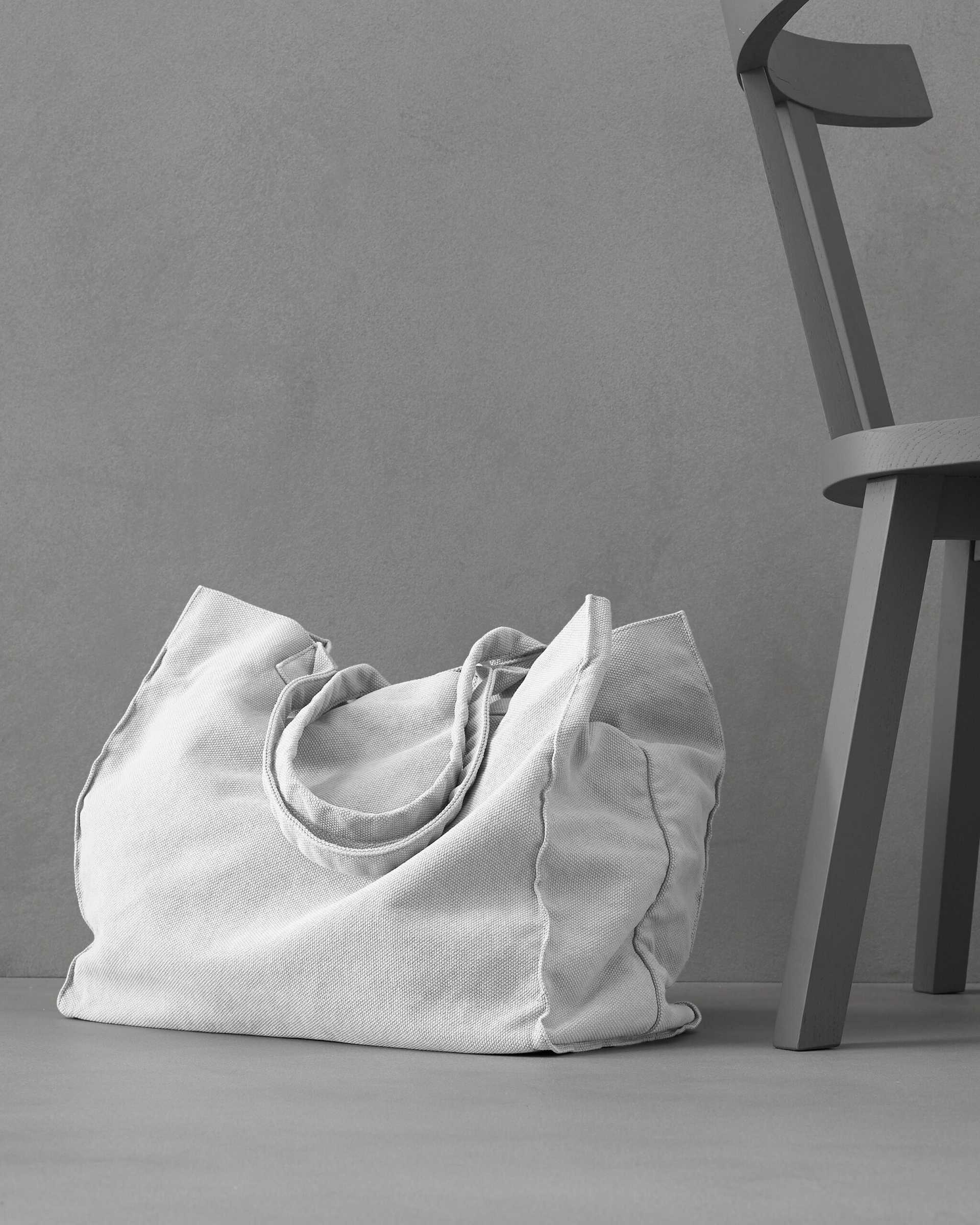
The Drai Hang offers a concrete example of a canvas carryall designed for regular use. It is made from 100% cotton canvas, garment dyed, and listed at a weight of 700 g/m². The maker describes it as suitable for everyday use, work, leisure, or the beach, and specifies machine washing for care. That combination makes it a relevant option for someone drawn to a sturdy, easy-care cotton canvas tote.
As with any bag, it is useful to consider the whole design rather than the material description alone. Check the available product details for the exact size, handle length, closure, and any care conditions before deciding whether it suits your routine. A strong canvas fabric can be appealing, but comfort and usable capacity are what determine whether it feels right once it is on your shoulder.
A quick decision guide
If you are choosing between linen and cotton canvas, try this simple checklist before buying:
- What will you carry most days? Light essentials and a softer silhouette may point toward linen; heavier, frequent loads may favor sturdy canvas.
- How much does the empty bag weigh? A substantial fabric can feel reassuring, but it adds to the total load.
- Where will the bag be used? Travel, commuting, shopping, and casual outings can call for different levels of structure and security.
- How will you clean it? Confirm the care instructions, especially if the design is lined, dyed, or trimmed.
- Are the stress points reinforced? Examine handles, seams, and the base as carefully as the fabric.
- Does the shape work for you? Capacity, strap drop, pockets, and closure can matter as much as fiber choice.
The bottom line
Linen and cotton canvas each make sense as everyday carryall materials, but they answer different priorities. Linen offers an appealing natural texture and may feel lighter and more relaxed, making it a strong candidate for lighter essentials and casual use. Cotton canvas is often chosen for its sturdy feel and practical versatility, especially when the bag needs to handle repeated outings or a more substantial load.
The most dependable choice is the one whose material, construction, and care instructions fit your habits. Look beyond the label to the fabric weight, handles, seams, lining, and closure. Then picture the bag on an ordinary day—not just a perfectly styled one. If it feels comfortable, holds what you need, and is manageable to care for, you have found a carryall that can earn its place in the routine.
Whether you lean toward the soft character of linen or the practical confidence of cotton canvas, buying thoughtfully can help you choose a bag you’ll use for years rather than replace after a season. That is a small but satisfying win for both your wardrobe and the way you shop.